Lift Chair Rental: Renting vs. Buying and What Medicare Covers
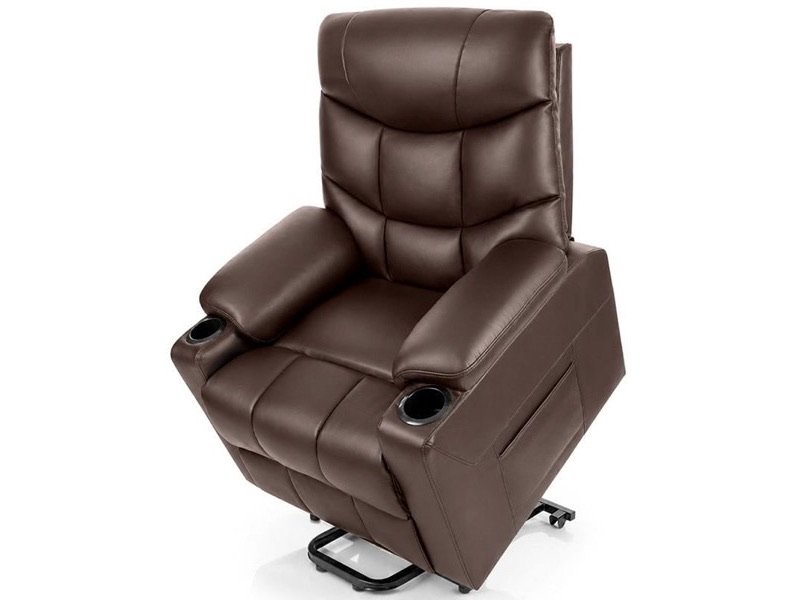
A lift chair looks like a regular recliner, but a motor tilts the whole seat forward and up to help you stand, and lowers you gently to sit down. For many people recovering from surgery, or living with arthritis or weak legs, it's the difference between asking for help every time and getting up on their own.
Who benefits most from a lift chair
- People recovering from hip or knee replacement, when low chairs are hard or off-limits.
- People with severe arthritis in the hips or knees.
- People with Parkinson's, MS or other neuromuscular conditions that make standing up difficult.
- Older adults who can walk once standing but struggle to get out of a chair, and caregivers who are tired of lifting them.
- People who sleep better upright, for example with acid reflux, breathing problems or after shoulder surgery.
If someone can't bear weight or walk at all once standing, a lift chair isn't enough. A patient lift or hospital bed may be safer.
Rent or buy?
| Rent if… | Buy if… |
|---|---|
| You need it for a recovery of weeks or a few months | The need is long-term, like arthritis or a progressive condition |
| You want to try one before committing | You want a specific fabric, color or size for your living room |
| The person is visiting or staying temporarily | You'll use it daily for a year or more |
Renting includes delivery, placement in the room you choose, and pick-up when you're done. We'll give you both rental and purchase prices so you can compare.
Does Medicare cover a lift chair?
Partly, for people who qualify. Medicare Part B treats the seat lift mechanism (the motor that lifts you) as durable medical equipment, but not the chair itself: the frame, cushions and upholstery. In practice, Medicare pays a portion and you pay the rest.
To qualify, your doctor generally needs to document that:
- you have severe arthritis of the hip or knee, or a severe neuromuscular disease,
- you can't stand up from a regular armchair on your own,
- you can walk once you're standing (with or without a cane or walker), and
- the lift chair is part of your treatment plan to improve or slow the decline of your condition.
Medicare Advantage and Florida Medicaid plans vary. Many people simply rent or buy privately, since it's faster and avoids paperwork. We'll explain your options.
Choosing the right lift chair
- Size: when seated, feet should rest flat on the floor and thighs should be level. Petite, medium, large and bariatric sizes exist.
- Weight capacity: standard chairs typically hold about 300 lbs; heavy-duty models hold more.
- Positions: two-position chairs recline slightly; three-position and infinite-position chairs recline further, some nearly flat for napping.
- Room: leave space behind the chair for it to recline and in front for it to lift, and a nearby outlet.
Frequently asked questions
Do I need a prescription to rent a lift chair?
No, not for a private-pay rental. A prescription is only needed if you want Medicare or insurance to pay for the lift mechanism.
How fast can you deliver a lift chair?
In Broward, Miami-Dade and Palm Beach counties we can often deliver within a day or two. Call us to check availability.
What happens if the power goes out?
Many lift chairs have a battery backup so you can return to a seated or standing position. Ask us which models include one.
Can I sleep in a lift chair?
Many people do, especially after shoulder surgery or with breathing problems. Choose a three-position or infinite-position chair if you plan to sleep in it.
Rent a lift chair
Call 954-332-4378 or see our rental equipment. You can also request a lift chair online.
This article is general information, not medical or billing advice. Medicare rules can change, and coverage depends on your medical records.