Hospital Bed Rental vs. Buying: Which Is Better for Home Care?
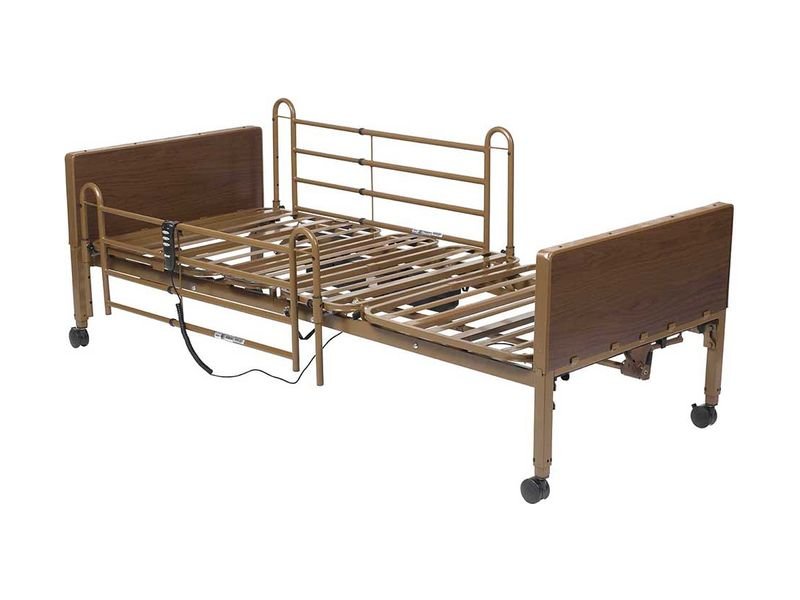
A hospital bed at home can make recovery, caregiving and hospice care far safer and easier. Raising the head helps with breathing and eating, adjustable height protects caregivers' backs, and side rails help with repositioning. The big decision is whether to rent or buy.
The short answer
| Rent if… | Buy if… |
|---|---|
| The need is temporary, such as recovery after surgery or a hospital stay | The need is long-term or permanent |
| Insurance is paying (most plans pay monthly) | You're paying privately and expect to need it for a year or more |
| You want service and repairs included | You want a specific model or furniture-style bed |
| The need is uncertain or may change | You have space to keep it long-term |
How insurance rentals work
Medicare and many other plans treat a hospital bed as a monthly rental, not a one-time purchase. With Original Medicare, the bed is generally rented for up to 13 continuous months, and after that you own it. You pay your share each month, typically the 20% coinsurance after the Part B deductible, or less if you have a supplement plan.
While the bed is a rental, the supplier handles maintenance and repairs. If you no longer need it before the rental period ends, we pick it up and the payments stop.
To qualify, your doctor needs to document why a regular bed isn't enough, for example needing the head raised more than 30 degrees, frequent repositioning, or traction equipment. Read Does Medicare Cover a Hospital Bed at Home? for the details.
Paying privately
If insurance won't cover the bed, or you need it before coverage is approved, private-pay rental is usually the most affordable option for needs under several months. For longer needs, buying often costs less overall. We'll quote both so you can compare.
Which bed type?
- Semi-electric: electric head and foot adjustment, manual height crank. A good fit for most home recoveries.
- Full-electric: everything adjusts at the push of a button, including height. Best when a caregiver does frequent transfers.
- Bariatric: wider and stronger for patients over about 350 lbs.
- Low bed: sits close to the floor to reduce injury from falls, common for dementia care.
Don't forget the mattress. A pressure-relief or alternating-pressure mattress helps prevent bedsores for someone who spends most of the day in bed.
Before delivery
- Measure the space: a standard hospital bed is about 36 inches wide and 80 inches long. Leave room on at least one side for a caregiver.
- Pick the room: ground floor, near a bathroom, with a nearby outlet.
- Plan accessories: overbed table, trapeze bar, bed rails, bedside commode.
We deliver, assemble and set up the bed, show the family how to use it, and remove the packaging.
Frequently asked questions
How fast can you deliver a hospital bed?
In Broward, Miami-Dade and Palm Beach counties we can often deliver the same or next business day, including for hospital discharges.
Can I switch from renting to buying?
For private-pay rentals, ask us about converting. For insurance rentals, the plan's rules decide when the bed becomes yours.
Who fixes the bed if something breaks?
During a rental, we do. Call us and we'll repair or replace it.
What happens when we no longer need it?
Call us to schedule a pick-up. We disassemble and remove it.
Get a hospital bed delivered
Call 954-332-4378 or request equipment online. Case managers can send discharge referrals directly. See all hospital beds and mattresses.
This article is general information, not medical or billing advice. Coverage and rental terms depend on your plan.